How Advanced Refractories Improve Continuous Casting Performance
13th Aug 2026
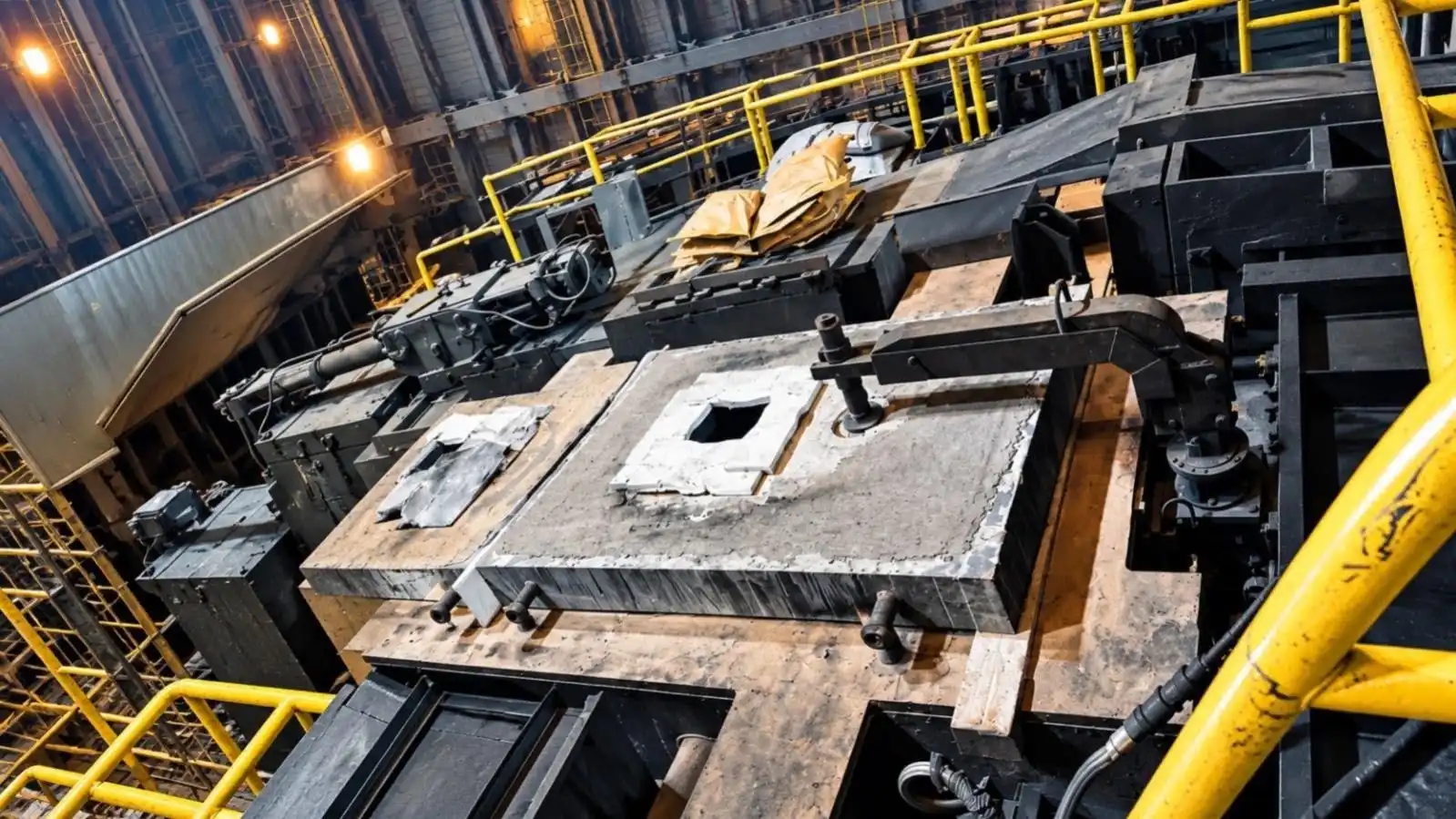
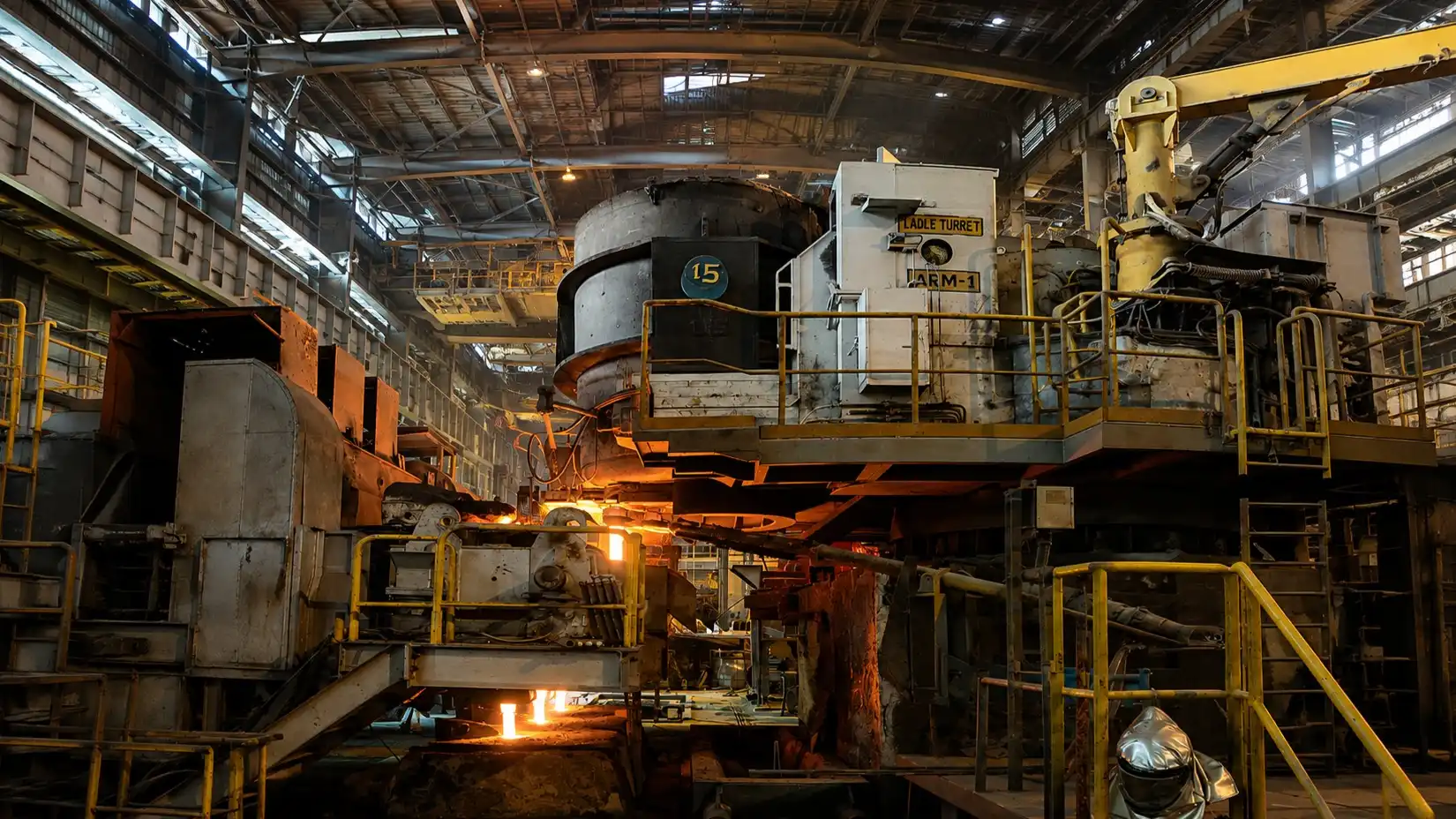
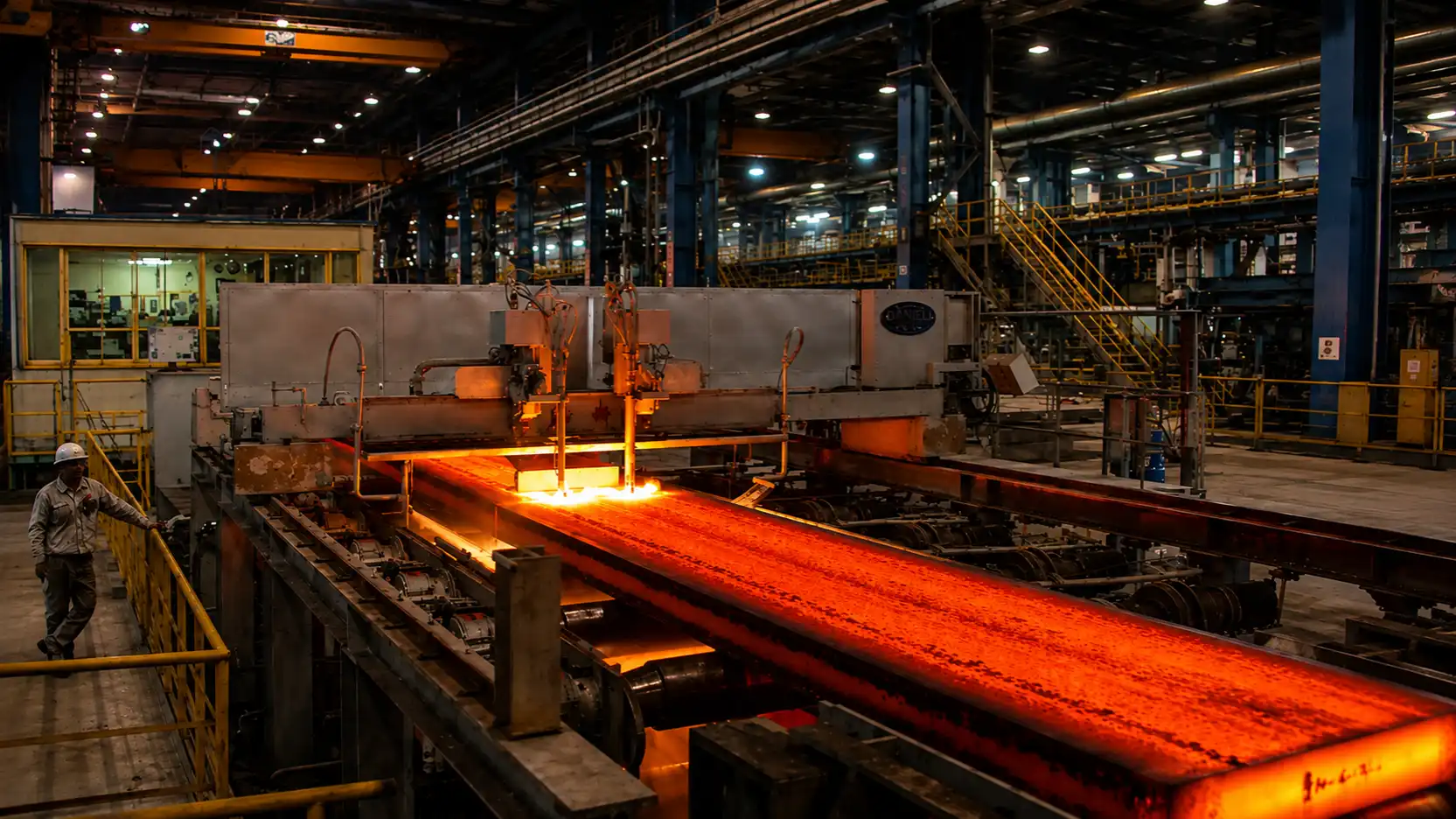
Continuous casting is a critical stage in steel production where molten steel is transformed into slabs, blooms, and billets. The performance of casting equipment depends greatly on the quality of refractory solutions used.
Advanced refractories provide excellent thermal stability, corrosion resistance, and wear protection, ensuring stable steel flow, improved steel cleanliness, and consistent casting performance. They help reduce maintenance requirements, extend equipment life, and improve overall operational efficiency.
As steel plants continue to modernize, high-performance refractory technologies play a vital role in achieving reliable, cost-effective, and sustainable Steel production.
Why are Advanced Refractories Essential for Continuous Casting?
Advanced refractory systems are an integral part of continuous casting operations, providing superior thermal stability, corrosion resistance, wear protection, and metallurgical control. They ensure reliable performance of casting components under extreme thermal, chemical, and mechanical conditions while maintaining stable steel flow and product quality.
Maintain Thermal Stability
Advanced refractories minimize heat transfer losses and maintain molten steel superheat from the ladle to the mould. This ensures stable solidification, optimized casting conditions, and consistent product quality.
Key Advantages:
- Enhanced thermal insulation capability.
- Reduced heat loss during casting.
- Improved temperature control.
- Stable solidification behaviour.
- Increased process efficiency.
Provide Corrosion and Erosion Resistance
Continuous exposure to molten steel and slag subjects’ refractory materials to severe chemical attack and mechanical wear. High-performance refractories provide excellent resistance to corrosion, erosion, and thermal shock, ensuring extended service life.
Key Advantages:
- Reduced refractory degradation.
- Extended casting campaign life.
- Lower maintenance requirements.
- Improved equipment reliability.
Support Alumina Clogging Prevention in Casting Nozzles
Advanced refractory materials used in submerged entry nozzles (SENs) are engineered to minimize alumina adhesion and steel–refractory reactions. This supports uninterrupted steel flow and improves casting stability.
Key Advantages:
- Reduced alumina deposition.
- Improved nozzle flow performance.
- Minimized casting interruptions.
- Enhanced operational reliability.
Protect Critical Casting Components
Refractory linings act as a protective barrier against extreme operating conditions, safeguarding tundish, ladle, and flow-control components from thermal, chemical, and mechanical stresses.
Key Advantages:
- Extended component life.
- Reduced equipment damage.
- Lower downtime.
- Improved plant productivity.
Enhance Steel Cleanliness
Advanced refractory systems minimize contamination, reduce re-oxidation, and support effective inclusion control during steel transfer. This enables the production of cleaner steel with improved metallurgical properties and reduced casting defects.
Benefits of Advanced Refractories
Advanced refractory systems play a vital role in optimizing steelmaking and continuous casting performance. Their superior thermal, mechanical, and chemical properties enhance process stability, improve operational efficiency, and support the production of high-quality steel.
Key Benefits Include:
- Superior thermal insulation for effective heat retention and stable casting temperatures.
- Enhanced steel cleanliness through reduced contamination, re-oxidation control, and improved inclusion management.
- Extended refractory campaign life with excellent resistance to corrosion, erosion, and thermal shock.
- Reduced maintenance downtime through improved refractory durability and equipment protection.
- Stable casting operations with optimized molten steel flow and consistent process control.
- Higher equipment reliability under extreme thermal and chemical operating conditions.
- Improved energy efficiency by minimizing heat loss and optimizing resource utilization.
- Lower production costs through reduced refractory consumption and maintenance requirements.
- Greater process consistency for reliable and repeatable steel quality.
- Increased plant productivity through longer casting sequences and improved operational performance.
By integrating advanced refractory technology into steelmaking operations, manufacturers can achieve higher productivity, improved product quality, reduced operating costs, and sustainable long-term performance.
Conclusion
The performance of continuous casting is strongly influenced by the integration of advanced process technology and high-performance refractory solutions. Advanced refractories provide essential thermal stability, corrosion resistance, wear protection, and metallurgical control throughout the casting process.
For steel manufacturers, selecting the right refractory system is a strategic investment that enhances productivity, extends equipment service life, reduces maintenance requirements, and lowers overall operating costs. By ensuring stable casting conditions and improved steel cleanliness, advanced refractory technologies enable consistent production of high-quality steel.
As the steel industry moves toward higher efficiency and sustainable manufacturing, innovative refractory solutions will continue to play a critical role in achieving reliable, cost-effective, and environmentally responsible steel production.
Written and Verified by:

IFGL Refractories
Bio: With over four decades of expertise, IFGL is a global refractory leader with 10 manufacturing units across Asia, Europe and North America. Specialising in Iron Making, Steelmaking and Continuous Casting, IFGL delivers advanced refractory solutions to customers worldwide through a workforce of nearly 2,000 employees.
Frequently Ask Questions
Why are advanced refractories important for continuous casting?
Advanced refractories are essential for continuous casting operations as they provide superior thermal stability, corrosion resistance, and wear protection. They safeguard critical casting components, maintain stable molten steel flow, improve steel cleanliness, and support uninterrupted production with enhanced process reliability.
How do refractories help prevent alumina clogging?
Advanced refractory solutions help prevent alumina clogging by minimizing steel–refractory reactions and reducing the adhesion of alumina deposits inside submerged entry nozzles (SENs). This ensures smooth molten steel flow, improves nozzle performance, reduces casting interruptions, and enhances operational stability.
Which refractory products are used during continuous casting?
Continuous casting applications utilize a wide range of specialized refractory products, including ladle linings, tundish linings, dry vibrating masses, spray masses, ramming mass, submerged entry nozzles (SENs), ladle shrouds, stopper systems, slide gate plates, and other flow-control refractory components designed to withstand extreme thermal, chemical, and mechanical conditions.
What advantages do advanced refractories offer steel manufacturers?
Advanced refractories improve steel manufacturing performance by enhancing casting efficiency, steel cleanliness, refractory campaign life, and equipment reliability. They reduce maintenance requirements, minimize production downtime, lower operating costs, and enable consistent production of high-quality steel under demanding operating conditions.