Importance of Tundish Refractories in Steel Production
12th Aug 2026
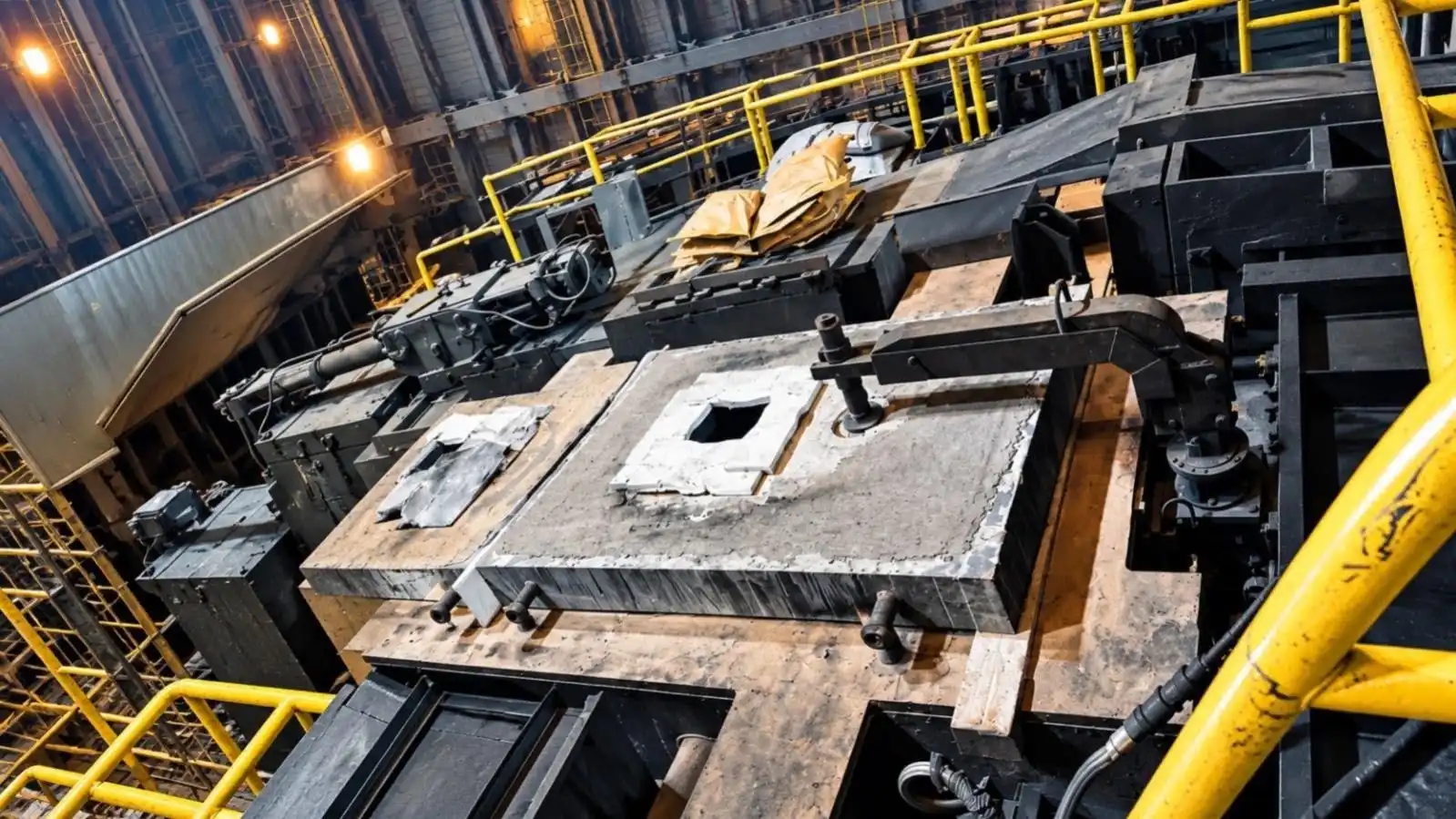
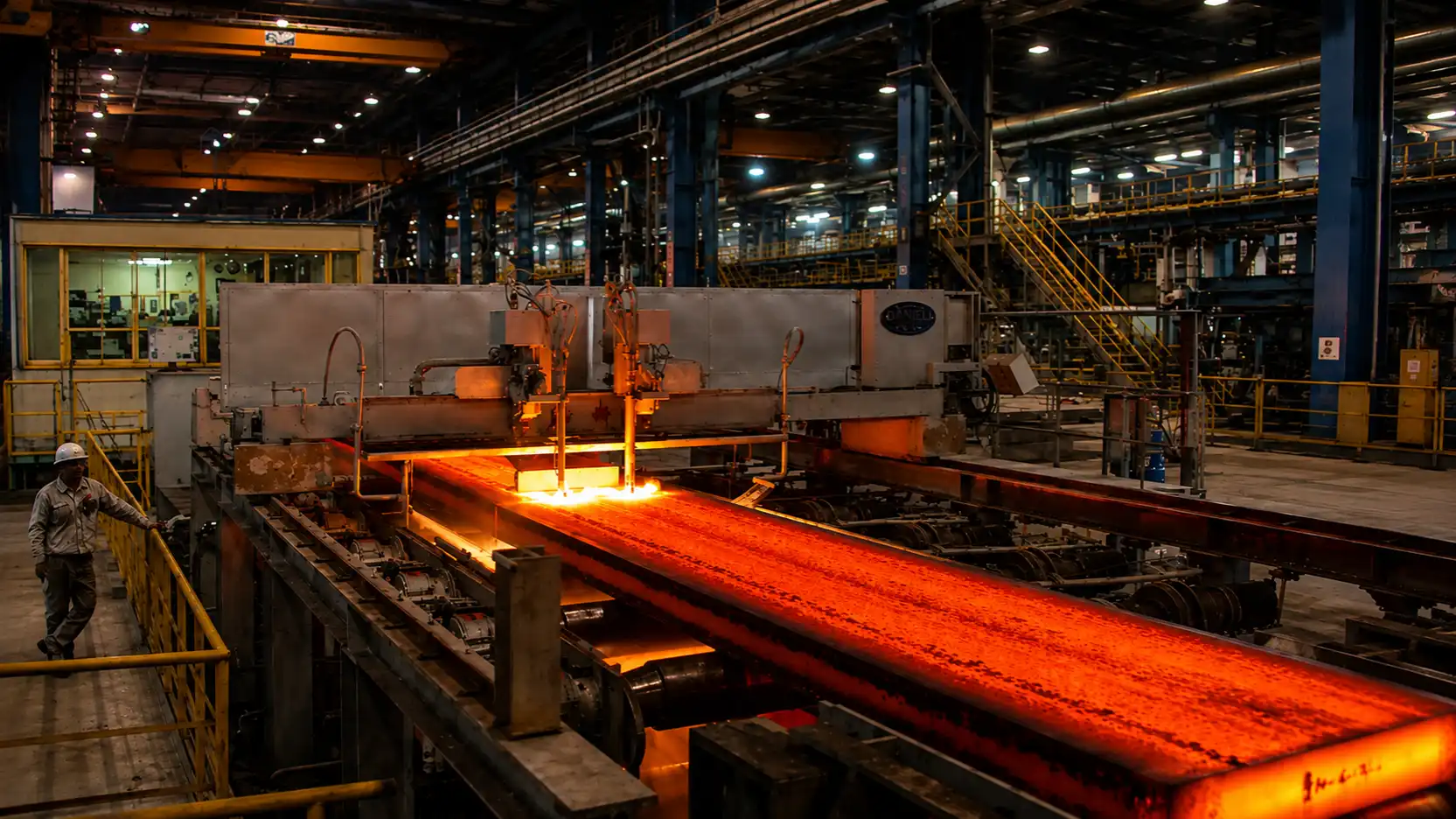
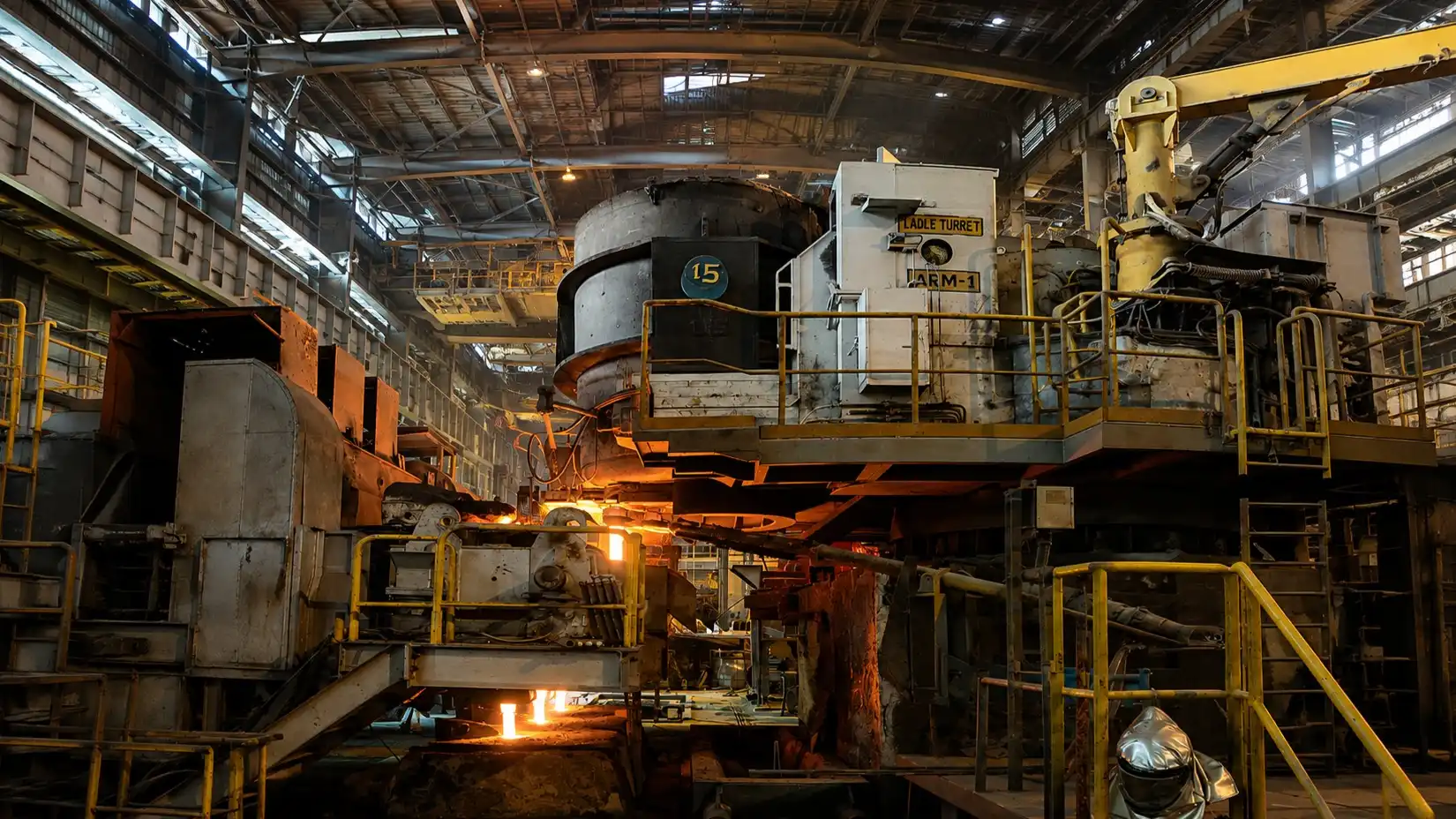
Tundish refractories are a critical component of the continuous casting process, ensuring the safe and efficient transfer of molten steel from the ladle to the mould. Beyond serving as a holding vessel, the tundish acts as a metallurgical reactor that promotes inclusion flotation, controls molten steel flow, minimizes re-oxidation, and maintains thermal stability. High-performance refractory systems provide excellent resistance to thermal shock, erosion, and chemical attack, resulting in improved steel cleanliness, longer casting sequences, enhanced operational safety, and reduced refractory consumption. By optimizing casting performance and lowering overall operating costs, advanced tundish refractories play a vital role in delivering consistent steel quality and higher plant productivity.
Why Tundish Refractories Matters for Steel Production
Tundish refractories are critical to the performance of the continuous casting process. Beyond protecting the tundish shell, they function as an integral part of the steelmaking system by maintaining thermal stability, controlling molten steel flow, improving steel cleanliness, and enhancing casting efficiency. High-performance refractory solutions directly contribute to improved productivity, lower operating costs, and superior steel quality.
Thermal Efficiency and Temperature Control
Advanced tundish refractories provide excellent thermal insulation, minimizing heat loss and maintaining a stable superheat throughout the casting sequence. Consistent temperature control enhances casting stability, reduces energy consumption, and supports uninterrupted production.
Key Benefits:
- Stable molten steel temperature
- Improved thermal efficiency
- Lower energy consumption
- Enhanced casting stability
- Reduced process interruptions
Superior Wear and Corrosion Resistance
Engineered to withstand severe thermal, mechanical, and chemical stresses, tundish refractories offer outstanding resistance to erosion, slag attack, and thermal shock. This extends tundish campaign life while reducing maintenance frequency and operating costs.
Key Benefits:
- Extended refractory campaign life
- Reduced maintenance downtime
- Improved equipment reliability
- Lower lifecycle cost
- Higher plant availability
Enhanced Steel Cleanliness
Optimized refractory systems minimize contamination and facilitate the flotation of non-metallic inclusions, resulting in cleaner steel with improved metallurgical quality. This is essential for producing high-grade steels for automotive, infrastructure, engineering, and specialty applications.
Key Benefits:
- Reduced re-oxidation
- Improved inclusion removal
- Cleaner steel production
- Enhanced product quality
- Greater process consistency
Optimized Molten Steel Flow
Precisely designed refractory linings and flow-control components promote smooth and controlled molten steel flow within the tundish. This minimizes turbulence, reduces slag entrainment, and ensures uniform steel delivery to the mould.
Key Benefits:
- Stable steel flow
- Uniform temperature distribution
- Reduced slag carryover
- Improved casting consistency
- Increased productivity
Operational Reliability and Productivity
Reliable tundish refractory solutions support longer casting sequences by maintaining consistent performance under extreme operating conditions. Their durability reduces unplanned shutdowns, improves operational efficiency, and lowers the total cost of ownership.
Key Benefits:
- Longer casting sequences
- Increased plant productivity
- Reduced refractory consumption
- Lower operating costs
- Higher overall equipment efficiency
Key Functions of Tundish Refractories
Tundish refractories are engineered to perform multiple critical functions that ensure efficient, reliable, and high-quality continuous casting. Beyond protecting the tundish, they enhance thermal performance, improve steel cleanliness, and optimize overall casting operations.
Key Functions
- Safely contain molten steel throughout the casting sequence.
- Provide superior thermal insulation to maintain steel superheat and minimize heat loss.
- Protect the tundish shell from extreme thermal and mechanical stresses.
- Deliver excellent resistance to erosion, corrosion, and thermal shock.
- Ensure stable molten steel flow for consistent casting performance.
- Minimize re-oxidation and support efficient inclusion flotation for cleaner steel.
- Extend tundish campaign life while reducing refractory consumption and maintenance.
- Improve operational efficiency, process reliability, and overall productivity.
By combining advanced material technology with superior performance, tundish refractories play a vital role in enhancing steel quality, extending equipment life, and reducing the total cost of ownership.
Benefits of Tundish Refractories
Advanced tundish refractory systems are designed to maximize continuous casting performance while enhancing steel quality, operational efficiency, and equipment reliability. Their superior thermal, mechanical, and chemical properties optimize process stability, extend campaign life, and reduce the total cost of operation.
Key Benefits
- Superior thermal insulation for improved temperature retention.
- Enhanced steel cleanliness through minimized re-oxidation and effective inclusion flotation.
- Extended tundish campaign life with excellent resistance to erosion, corrosion, and thermal shock.
- Reduced refractory consumption and lower maintenance requirements.
- Improved casting stability through optimized molten steel flow.
- Increased energy efficiency by minimizing heat loss.
- Higher operational reliability and consistent process performance.
- Reduced downtime and lower operating costs.
- Consistent production of high-quality steel.
- Lower Total Cost of Ownership (TCO) and improved Return on Investment (ROI).
By combining advanced refractory technology with superior metallurgical performance, tundish refractory systems enable longer casting sequences, improved productivity, enhanced operational safety, and sustainable steelmaking. They play a vital role in delivering cleaner steel, maximizing equipment life, and ensuring reliable, cost-effective continuous casting operations.
Conclusion
Tundish refractories are a critical enabler of efficient and reliable continuous casting operations. More than just a protective lining, they play a vital role in maintaining thermal stability, optimizing molten steel flow, enhancing steel cleanliness, and extending tundish campaign life. Advanced refractory solutions deliver superior resistance to thermal, mechanical, and chemical stresses, ensuring consistent performance under demanding operating conditions.
By improving process efficiency, reducing maintenance and energy costs, and supporting the production of high-quality steel, advanced tundish refractory systems help steel manufacturers achieve greater productivity and operational excellence. As the steel industry continues to evolve, innovative refractory technologies will remain essential for sustainable steelmaking, improved cost efficiency, and long-term competitive advantage.
Written and Verified by:

IFGL Refractories
Bio: With over four decades of expertise, IFGL is a global refractory leader with 10 manufacturing units across Asia, Europe and North America. Specialising in Iron Making, Steelmaking and Continuous Casting, IFGL delivers advanced refractory solutions to customers worldwide through a workforce of nearly 2,000 employees.
Frequently Ask Questions
Why is a tundish refractory important in steel production?
A tundish refractory is essential for efficient continuous casting, providing thermal insulation, protecting the tundish from thermal, mechanical, and chemical stresses, and ensuring stable molten steel flow. It enhances steel cleanliness by minimizing re-oxidation and promoting inclusion flotation, while improving casting efficiency, extending campaign life, and reducing overall operating costs.
What materials are commonly used in tundish refractories?
Tundish refractory systems are manufactured using a combination of high-performance refractory materials selected for their thermal, mechanical, and chemical resistance. Common materials include high-alumina refractories, magnesia-based refractories, spinel-based refractories, alumina-magnesia refractories, insulating boards, monolithic refractories (dry vibrating mass, spray mass, castables, and gunning materials), pre-cast refractory shapes, and specialized working linings. The choice of material depends on the steel grade, casting conditions, campaign life, and plant operating requirements.
How do tundish refractories improve steel quality?
Tundish refractories improve steel quality by maintaining thermal stability, minimizing re-oxidation and refractory contamination, and ensuring controlled molten steel flow during continuous casting. A well-designed refractory system supports effective inclusion flotation, reduces slag carryover, and creates favourable metallurgical conditions for producing cleaner steel with consistent quality and improved surface properties.
What are the benefits of using high-quality tundish refractories?
High-quality tundish refractories enhance continuous casting performance by providing superior thermal insulation, excellent resistance to erosion, corrosion, and thermal shock, and maintaining stable operating conditions. They help extend tundish campaign life, reduce refractory consumption and maintenance requirements, minimize production downtime, improve energy efficiency, lower operating costs, and ensure reliable production of consistent-quality steel.